Industrie neu gedacht - ein Tech-Podcast von Bosch Rexroth

Sind die Automatisierung und die Elektrifizierung die Gewinner der Krisen- und Umbruchjahre der frühen 20er Jahre unseres Jahrhunderts? Wertschöpfungsketten verschieben sich, die Produktion verändert sich, die Digitalisierung verändert Märkte, Recycling gewinnt an Bedeutung, Fachkräfte fehlen, neue Materialien, neue Technologien und die Anforderungen der Kunden und Mitarbeitenden unterliegen einem stetigen Wandel. Und die nächste große Herausforderung steht schon vor der Tür: Der Klimawandel. Die 20er Jahre sind die Jahre des Wandels in der Industrie. Was passiert und wie reagieren wir darauf? Im Podcast geben wir Orientierung und laden zur Diskussion ein.

Are automation and electrification the winners of the years of crisis and upheaval in the early 1920s? Value chains are shifting, production is changing, digitalization is changing markets, recycling is becoming more important, there is a shortage of skilled workers, new materials, new technologies and the requirements of customers and employees are subject to constant change. And the next big challenge is already just around the corner: climate change. The 20s are the years of change in the industry. What is happening and how do we respond? In the podcast, we provide orientation and invite discussion.

Industrie neu gedacht - ein Tech-Podcast von Bosch Rexroth

Neueste Episoden

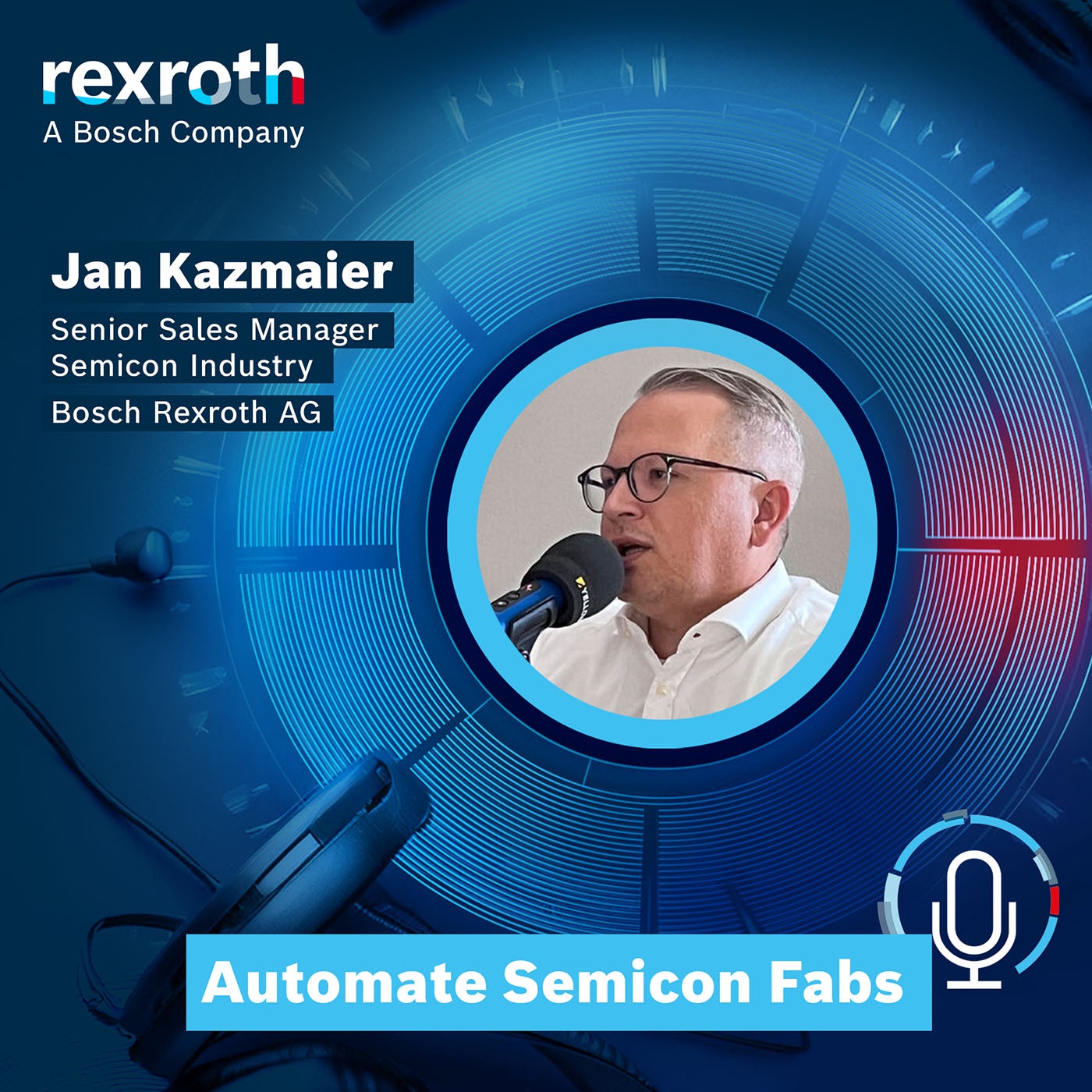
How Bosch Rexroth Automates Tomorrow’s Semiconductor Fabs

How Bosch Rexroth Automates Tomorrow’s Semiconductor Fabs

‧ 21m 41s

Global chip production is expected to double by 2030. That means more fabs and, above all, more machines. In this episode, I talk with Jan Kazmaier from Bosch Rexroth about what this means for automation. Modern fabs run with almost no people, 24/7, 365 days a year. With every new chip generation, the demands on precision, speed and cleanroom compatibility keep rising, and AI chips are accelerating this trend even further.

Jan walks us through the value chain, from wafer production through front end and back end to electronics manufacturing. He shares concrete applications such as wafer pin lifts, spin...
Wie Bosch Rexroth die Halbleiter-Fabs von morgen automatisiert

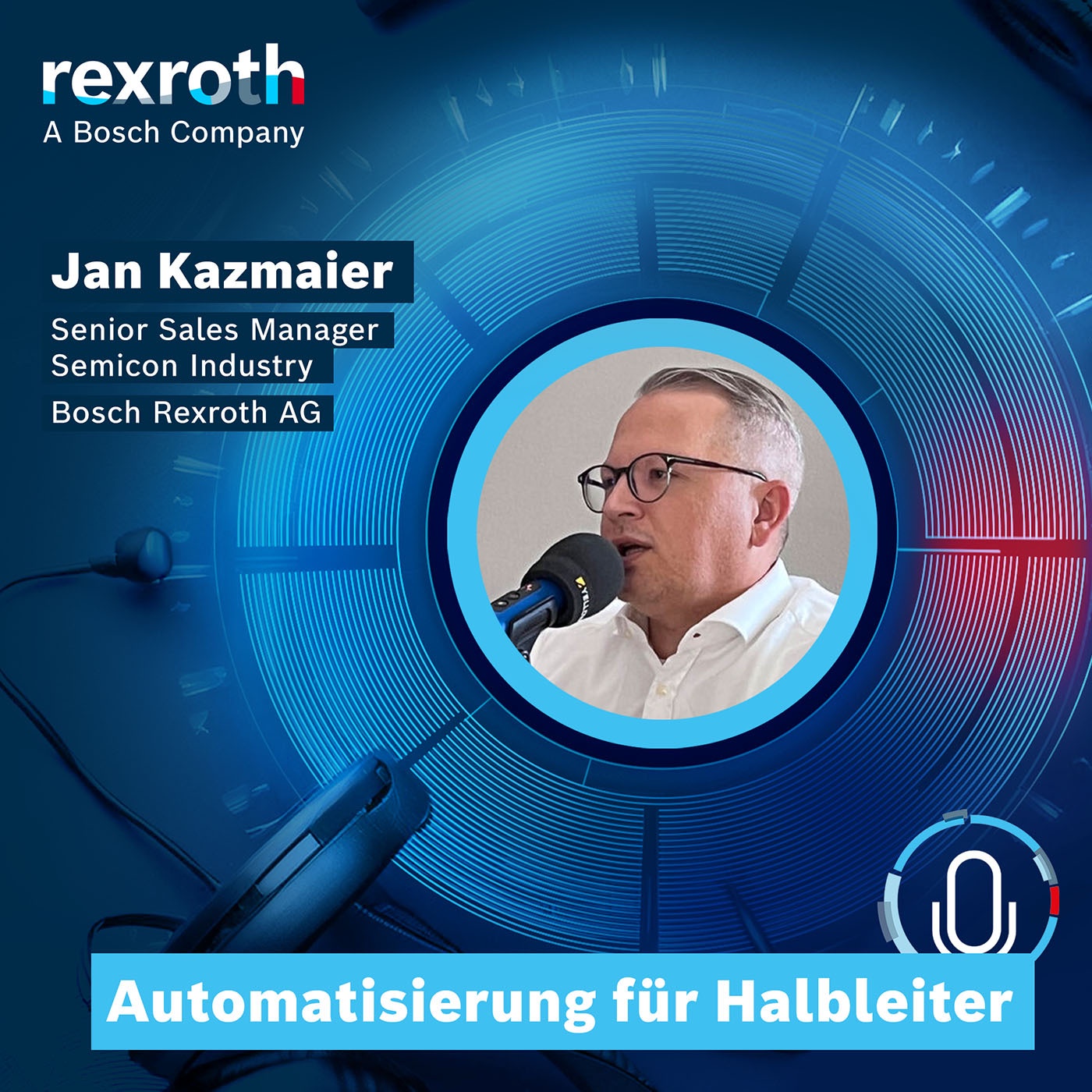
Wie Bosch Rexroth die Halbleiter-Fabs von morgen automatisiert

‧ 23m 27s

Bis 2030 soll sich die weltweite Chipproduktion verdoppeln. Das bedeutet mehr Fabs und vor allem mehr Maschinen. In dieser Folge spreche ich mit Jan Kazmaier von Bosch Rexroth darüber, was das für die Automatisierung heißt. Moderne Fabs laufen fast ohne Menschen, rund um die Uhr, 365 Tage im Jahr. Mit jeder neuen Chipgeneration steigen die Anforderungen an Präzision, Geschwindigkeit und Reinraumtauglichkeit, und KI-Chips beschleunigen diesen Trend zusätzlich.

Jan führt uns durch die Wertschöpfungskette, von der Wafer-Produktion über Front-End und Back-End bis zur Elektronikfertigung. Er stellt konkrete Anwendungen vor, etwa Wafer-Pin-Lifts, Spin-Lifts, Single-Wafer- und Batch-Cleaning sowie die Wafer-Inspektion. Außerdem sprechen wir...

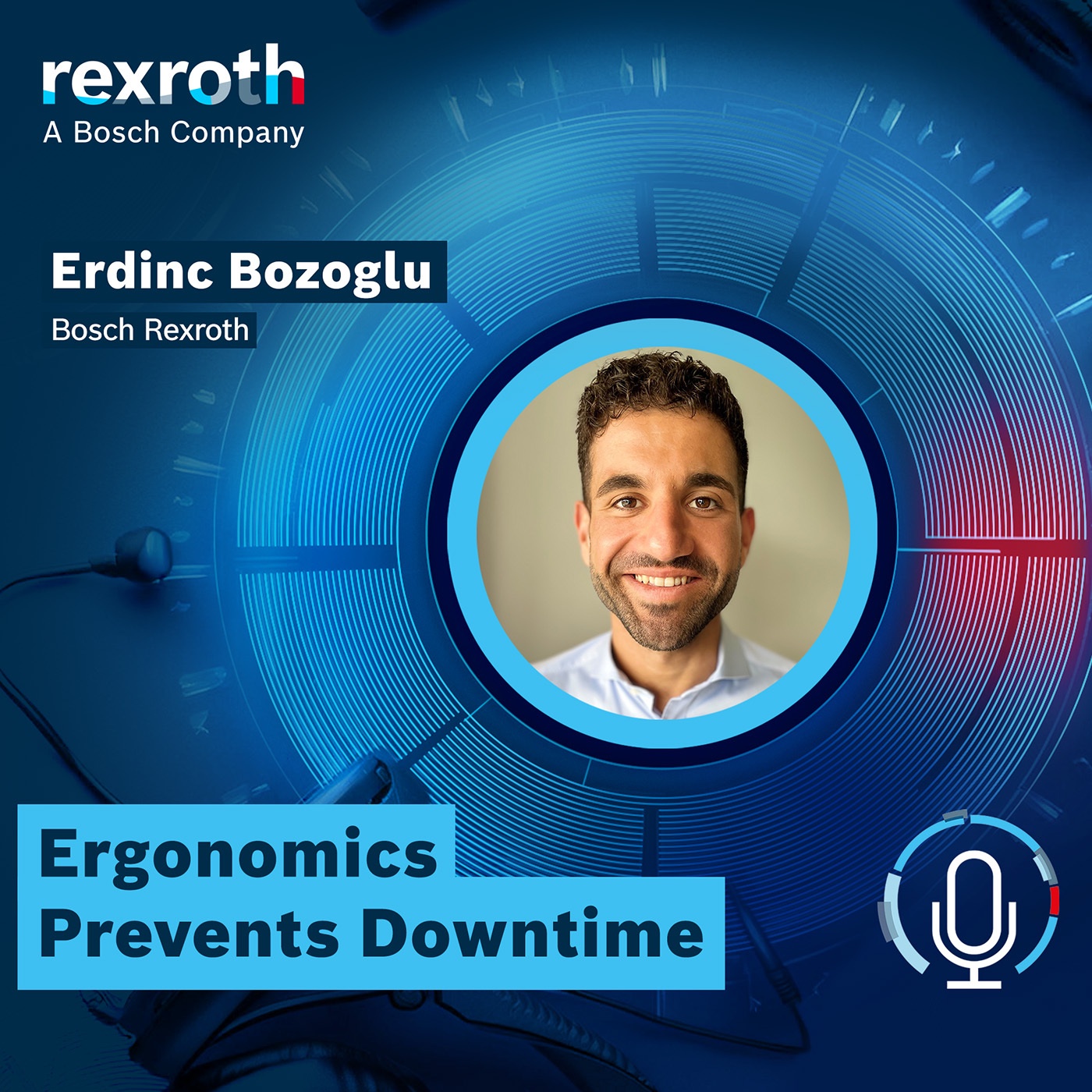
Ergonomics: The Overlooked Advantage on the Shopfloor

Ergonomics: The Overlooked Advantage on the Shopfloor

‧ 10m 35s

In this episode, I sit down with Erdinc Bozoglu to shine a light on the often underestimated power of ergonomics in industrial environments. We explore why focusing on people—not just automation and robotics—can drive efficiency, reduce errors, and help companies attract and retain talent. I ask Erdinc to break down the core ergonomic principles and share real-world examples of how better workplace design delivers measurable results. We also discuss convincing leadership to invest in ergonomics, the pitfalls of one-size-fits-all workstations, and the digital tools making ergonomic planning easier than ever. Join me as we uncover why putting employees at the...

Ergonomie: Der unterschätzte Erfolgsfaktor

Ergonomie: Der unterschätzte Erfolgsfaktor

‧ 17m 49s

In dieser Folge spreche ich mit Erdinc Bozoglu von Bosch Rexroth darüber, warum Ergonomie am Arbeitsplatz in der Industrie oft unterschätzt wird und welche enormen Effekte sie auf Effizienz, Fehlerquote und Krankenstand haben kann. Wir diskutieren, wie Unternehmen durch gezielte Planung und smarte Anpassungen nicht nur die Gesundheit der Mitarbeitenden schützen, sondern auch wirtschaftlich profitieren. Außerdem teilen wir Erfahrungen aus der Praxis – von häufigen Fehlern bis hin zu messbaren Erfolgen, die sich direkt auf den ROI auswirken. Gemeinsam werfen wir einen Blick auf die Zukunft ergonomischer Arbeitsplätze, den Einfluss von Automatisierung und Modularität sowie die Bedeutung für den Fachkräftemangel....